
When to walk away: mastering your limits in a casino
Understanding the Thrill of Gambling
The allure of casinos is undeniable; the bright lights, vibrant sounds, and the chance to win big can make even the most cautious individuals feel exhilarated. Gambling is often viewed as a thrilling pastime, providing escapism and the potential for financial gain, especially when utilizing sports betting sites that enhance the experience. However, this thrill can quickly morph into a compulsion if individuals lose sight of their limits. The excitement that comes with gambling can lead to impulsive decisions, making it essential to understand the psychological aspects of this entertainment form.
The environment within a casino is designed to be captivating and immersive, which can easily lead players to lose track of time and money spent. Many gamblers underestimate the power of their emotions, becoming engulfed in a world of highs and lows that extend beyond mere games. Recognizing and acknowledging the psychological triggers that entice you to continue playing is vital for mastering your limits and ensuring gambling remains a fun activity rather than a destructive habit.
The thrill should always come with self-awareness; understanding your motivations for gambling—whether for excitement, social interaction, or an escape—can guide your choices at the tables. By being mindful of what draws you to play, you can establish healthier boundaries and prevent impulsive behavior that could have long-term negative consequences. Striking a balance between enjoyment and responsibility is essential for a sustainable gaming experience.
Setting Personal Limits
One of the most effective strategies for managing gambling habits is to set personal limits before hitting the casino floor. This practice involves determining how much time and money you can afford to spend without compromising your financial situation or emotional well-being. By establishing clear limits, players can enjoy the thrill without the risk of falling into a cycle of loss that can affect their lives outside the casino.
These limits can be both monetary and temporal. For example, a player might decide to gamble only a certain amount of money or for a specified time frame, ensuring they enjoy their experience without the stress of significant financial loss. Writing down your limits before you enter the casino can serve as a helpful reminder and help reinforce personal accountability. Keeping an eye on your spending and sticking to your timeframe can assist in creating a more enjoyable and responsible gambling experience.

Moreover, it’s essential to reassess your limits regularly, especially after experiencing a series of wins or losses. Emotional fluctuations can cloud judgment, prompting gamblers to alter their boundaries. Staying vigilant and true to your predefined limits is crucial, so you do not unknowingly change your stance under the influence of temptation. Continuous self-evaluation supports a healthy gambling mindset, enabling you to walk away when necessary.
Recognizing the Signs of Problem Gambling
Recognizing the signs of problem gambling is critical for anyone who indulges in this pastime. Some indicators include preoccupation with gambling, chasing losses, and experiencing withdrawal symptoms when not gambling. Understanding these signs can help individuals identify when their gambling habits are becoming unhealthy and prevent them from spiraling out of control.
It’s not uncommon for individuals to dismiss these signs, thinking they can manage their habits alone. However, as the stakes increase, so can the risks associated with gambling. When the joy of playing is overshadowed by anxiety or regret, it’s time to evaluate your relationship with gambling. Seeking help or guidance from friends, family, or professionals is essential if these feelings arise. Support networks can help you reestablish a healthy balance in your gaming habits.
Learning to recognize when gambling is no longer enjoyable can be challenging, but becoming aware can empower you to make proactive decisions. Whether it means walking away after a few rounds or acknowledging the urge to gamble as a coping mechanism for stress, self-awareness is fundamental. By staying attuned to your emotional state and the effects gambling has on your life, you can protect yourself from developing a problematic relationship with gaming.
Knowing When to Walk Away
Knowing when to walk away is a skill that every gambler should develop. It can be particularly challenging, especially when one is caught up in the excitement of the game or on a winning streak. However, understanding when to step back is essential for maintaining control and ensuring that gambling remains a source of entertainment rather than a source of stress or financial strain. A common pitfall for many players is the belief that they can double down on their losses or capitalize on winning streaks, which often leads to unfavorable outcomes.
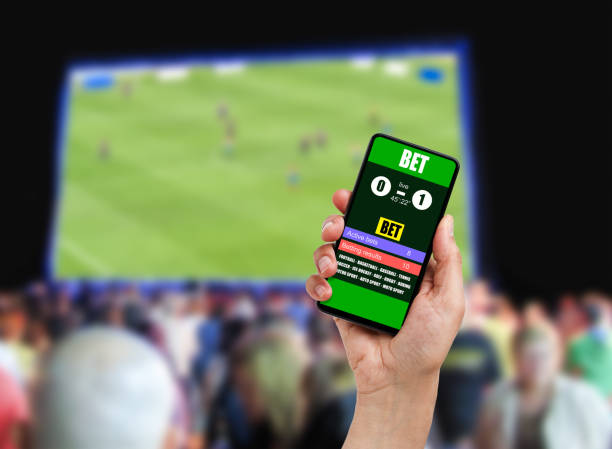
Successful gamblers often advocate for the “win and walk away” mentality. This approach encourages players to celebrate their wins and leave the casino before the tides turn against them. Implementing this strategy requires discipline and self-restraint. Setting predetermined walking points—whether it’s after a win or a specific time spent playing—can assist in enforcing this mindset. Establishing this practice can enhance the enjoyment of the experience while preventing regret over losses incurred after staying too long.
Acknowledging the emotional aspect of gambling is also vital in knowing when to walk away. If the experience becomes frustrating or you start feeling anxious, it may be time to take a break. Additionally, if you find yourself chasing losses, recognize that this behavior can escalate and lead to significant financial and emotional fallout. Accepting that losses are a part of the game and that every player has their limits can help maintain a healthier perspective while gambling.
Exploring Resources for Responsible Gambling
To cultivate a safe gambling environment, many casinos and online platforms provide resources for responsible gambling. These resources can include information on setting limits, recognizing problem behaviors, and access to support networks. A proactive approach to responsible gambling is essential for anyone who enjoys this activity, and taking advantage of available tools can enhance your experience while promoting safety.
Many casinos feature responsible gaming programs, which offer gamblers the opportunity to self-exclude, take time-outs, or access educational materials about gambling behavior. Engaging with these resources can empower individuals to make informed decisions about their gambling habits. Moreover, support groups and counseling services are available for those who need additional assistance, allowing players to receive help in a non-judgmental environment.
Ultimately, responsible gambling is a shared responsibility, not only for individuals but also for the establishments that offer these services. By fostering open conversations about gambling behaviors and encouraging players to be aware of their limits, the industry can work towards creating a safer and more enjoyable environment for everyone. Taking the time to learn about available resources is a crucial step in maintaining a positive outlook on gambling.
