
Explore the psychology of risk-taking in casinos
The Allure of Risk in Gambling
The thrill of risk-taking is deeply embedded in the human psyche, especially when it comes to gambling. For many, stepping into a casino is akin to entering a realm where boundaries are pushed, and adrenaline runs high. This environment stimulates a rush of emotions, activating brain pathways associated with pleasure and excitement. The very act of placing a bet, whether it be on a roulette wheel or a poker table, brings with it a sense of anticipation that can be intoxicating. For those looking to explore even more options, australia online casino experiences provide exciting alternatives to traditional venues and enhance the overall thrill of risking it all.
Moreover, risk-taking in a casino setting can often be seen as a social activity. People tend to gather around gaming tables, cheering each other on and sharing in the highs and lows of their gambling experience. This collective energy can amplify individual bravery, leading players to make bolder bets than they might otherwise consider. The psychological impact of social reinforcement is significant; when surrounded by others, individuals may feel emboldened to take risks they would typically avoid in a more solitary setting.
Addiction to the excitement derived from taking risks in casinos can be explained through the lens of behavioral psychology. The concept of variable reward systems plays a crucial role here. Players are often enticed by the unpredictability of wins, wherein the occasional big payout serves as a reinforcement that keeps them coming back for more. Understanding the psychological mechanisms behind this risk-taking behavior provides insight into why so many people regularly visit casinos, despite the potential for loss.
The Role of Personality Traits in Risk-Taking
Personality traits significantly influence an individual’s propensity for risk-taking in casinos. For instance, those with higher levels of sensation-seeking are likely to engage more frequently in gambling activities. These individuals crave new experiences and are often drawn to environments that offer unpredictability. This trait is a double-edged sword; while it could lead to thrilling wins, it may also result in substantial losses, creating a cycle of risk and reward that can be difficult to escape. The push and pull of excitement versus caution often play a crucial role in the decisions made within casino walls.
Additionally, research has shown that individuals who exhibit traits associated with impulsivity may be more prone to gambling. Impulsive players make quick decisions without fully assessing the consequences, which can lead to larger bets and higher stakes. This tendency often leads to a greater likelihood of gambling-related problems, as impulsivity can overshadow rational decision-making. The interplay between these personality traits and gambling behavior highlights the complex nature of risk-taking in this context, revealing the depth of the psychological landscape that governs individual choices.
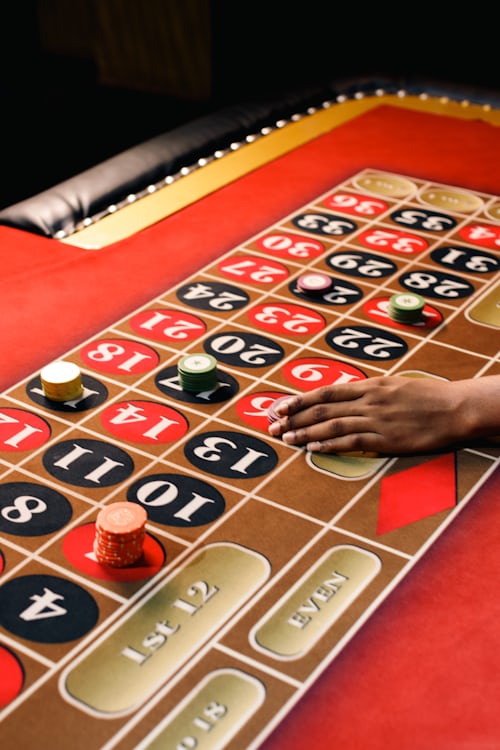
Furthermore, the social environment of casinos can exacerbate these personality traits. The presence of peer influences, combined with the exciting atmosphere, can amplify risk-taking behavior. Individuals might feel compelled to match the betting habits of their companions or to prove their boldness in the face of competition. This dynamic plays a significant role in shaping the choices made at the gaming tables and can lead to an environment where risk-taking becomes the norm, often at the expense of personal financial stability.
The Impact of Cognitive Biases on Decisions
Cognitive biases significantly skew the decision-making processes of gamblers. One prominent bias is the “gambler’s fallacy,” where individuals believe that past outcomes influence future results. For instance, a player may think that a particular number in roulette is “due” for a win after losing several times in a row. This misconception can lead to reckless betting patterns, as players chase losses rather than making rational, evidence-based decisions. The emotional rollercoaster of gambling can cloud judgment and push individuals to make choices they might not otherwise consider.
Additionally, the “illusion of control” is a prevalent cognitive bias observed in gambling. Players often believe they can influence the outcome of games of chance, such as slot machines or dice games, through skill or strategies they have developed. This misguided confidence can result in increased betting and risk-taking behavior, as players feel empowered to change their fortune despite the random nature of these games. Recognizing these cognitive biases is essential for understanding how they affect the gambling experience and the decisions made within it.
The consequences of these cognitive biases extend beyond the individual player and can have broader implications within the casino environment. Casinos are designed to exploit these biases, using enticing visuals and sounds to reinforce the idea of winning. The architecture, layout, and even the placement of games are intentionally crafted to keep players engaged and betting longer than they might otherwise. This strategy not only heightens the thrill of risk-taking but also works to obscure the realities of the odds involved, making it essential for players to remain critically aware of their surroundings.
Strategies for Responsible Gambling
While the thrill of gambling can be exhilarating, it is essential to balance risk-taking with responsible gambling practices. One effective strategy is setting clear limits on time and money spent in the casino. By establishing a budget beforehand and adhering to it, players can enjoy the experience without succumbing to the typical patterns of loss-chasing that many gamblers face. This approach promotes a healthier relationship with gambling as an entertainment option rather than a financial risk, allowing players to walk away feeling satisfied rather than defeated.

Another important strategy involves self-awareness and education about the nature of gambling. Understanding the odds associated with different games and recognizing the signs of problematic gambling can be valuable tools for maintaining control. Players should regularly assess their behavior and be mindful of how their emotional state affects decision-making, particularly in high-stakes situations. By fostering this awareness, individuals can make more informed choices and mitigate the risks involved in gambling, ultimately leading to a more enjoyable experience.
Engagement with support networks can also be a beneficial approach. Whether through friends, family, or professional organizations, discussing gambling habits and concerns can provide crucial support. These networks can help individuals navigate their experiences more safely, encouraging responsible gaming while still enjoying the social aspects that come from visiting a casino. This balanced strategy helps preserve the enjoyment of gambling without falling prey to the darker side of risk-taking, promoting a culture of safety and awareness.
Insights and Resources on Gambling Psychology
For those interested in delving deeper into the psychology of risk-taking in casinos, numerous resources are available. Understanding how various psychological factors influence gambling behavior can help individuals make more informed decisions regarding their gambling habits. Websites dedicated to gambling psychology provide insights into how personality, cognition, and social dynamics all play a role in shaping the experience and choices players make. By educating themselves on these factors, players can gain a better understanding of their own motivations and behaviors.
In addition to academic resources, many casinos themselves are increasingly offering educational materials that promote responsible gambling. These initiatives aim to raise awareness about the risks involved in gambling and provide tools for self-assessment and control. Engaging with these materials can empower players to approach gambling with a more measured perspective, enhancing their overall experience while minimizing potential negative consequences. Such resources are pivotal in fostering a culture of responsibility within the gaming community.
Ultimately, the exploration of risk-taking in casinos is a multifaceted topic that intersects psychology, behavior, and social dynamics. By recognizing the underlying psychological principles at play, individuals can better navigate their gambling experiences. Whether seeking thrills or simply enjoying a night out, understanding these factors enriches the overall engagement with casino culture, leading to a more fulfilling and responsible approach to risk-taking. The continuous quest for knowledge in this area can help individuals strike a balance between excitement and caution, ensuring that their gambling remains an enjoyable activity rather than a source of distress.
